
frosted glass mirror
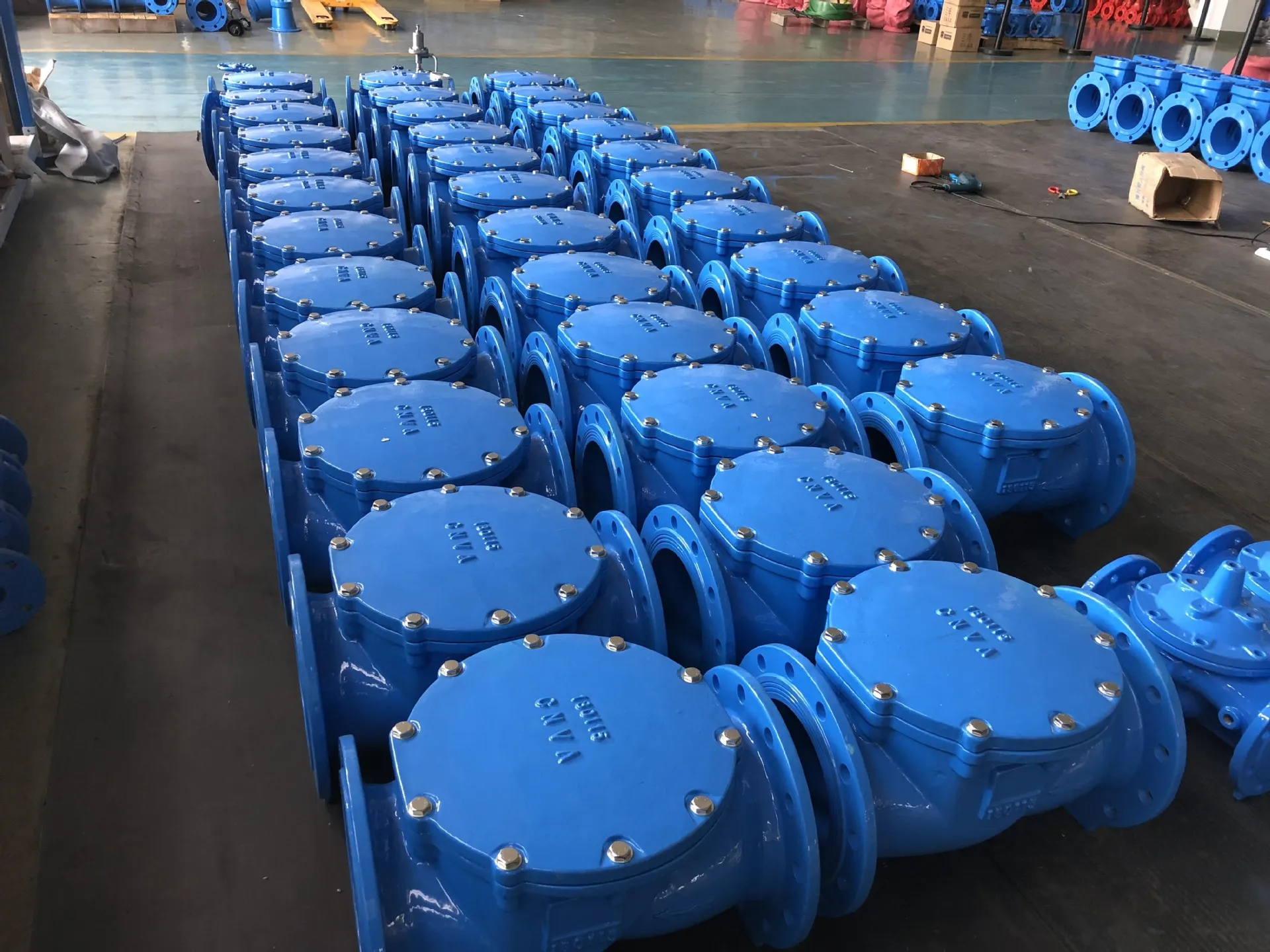
Understanding Gate Valves A Deep Dive into Design and Applications Gate valves play a crucial role in various industries, serving as vital components in pipelines and fluid systems. Their primary function is to start or stop the flow of fluids, making them essential for effective fluid control. In this article, we will explore the design, operation, and applications of gate valves, particularly focusing on the specifications akin to ‘gate valve 2 1 2’. What is a Gate Valve? A gate valve is a type of valve that opens by lifting a round or rectangular gate out of the path of the fluid. Unlike other types of valves that throttle flow, gate valves are primarily designed to be fully open or fully closed. The structure of a gate valve consists of the body, gate, stem, and actuator. The gate is the component that moves up and down to either allow or block the flow of fluid within the pipeline. Design Specifications When referring to a gate valve with specific dimensional notations like ‘2 1 2’, it indicates the valve's nominal size and possibly its pressure rating. A gate valve labeled ‘2 1 2’ typically means that it has a nominal diameter of 2 inches, indicating the size of the pipe it fits into. The ‘1’ may refer to a specific dimension or feature in relation to the design, such as the thickness of the body or the end types (flanged or threaded), while the last ‘2’ could denote specifications about pressure ratings or the type of materials used. Working Mechanism The operation of a gate valve is straightforward. When the handwheel or actuator is turned, the stem connected to the gate moves vertically. As the gate rises, the flow of fluid through the valve is allowed, and when it is lowered, the flow is stopped. This mechanism ensures minimal resistance when the gate valve is in the fully open position, which is beneficial for applications where maintaining flow rates is crucial. gate valve 2 1 2 The sealing surface of the gate valve is one of its most important features. Many gate valves are designed for tight shut-off, using materials such as elastomers or metallic surfaces that engage when the valve is closed, creating a strong seal to prevent leakage. Applications of Gate Valves Gate valves are commonly used in a variety of applications across different industries. They are prevalent in - Water Supply Systems To regulate the supply of water and to isolate sections of the pipeline for maintenance. - Oil and Gas Industries To control the flow of hydrocarbons in pipelines, ensuring safety and efficiency in transmission. - Power Plants Managing the flow of steam or water in boilers, cooling systems, and condensate lines. The preferences for gate valves over other valve types often stem from their ability to handle high-pressure situations and their ease of operation, making them suitable for large-scale industrial applications. Conclusion In summary, gate valves, such as those identified by specific dimensions and ratings like ‘gate valve 2 1 2’, are essential tools for fluid control in various sectors. Their simple yet effective design, coupled with their ability to provide a tight seal and allow high flow rates, make them invaluable. Understanding the specifications and applications of gate valves is crucial for anyone involved in the design, operation, or maintenance of fluid systems. By choosing the right gate valve for the right application, industries can ensure efficient and safety-compliant operations.
about
frosted glass mirror
Understanding Piston Type Check Valves Piston type check valves are essential components in various fluid handling systems, especially in industries such as oil and gas, water treatment, and chemical processing. These valves are designed to prevent backflow in piping systems, ensuring that fluids can only flow in one direction. This is crucial for protecting equipment from potential damage caused by reverse flow and maintaining system efficiency. The piston check valve operates on a relatively straightforward principle. It features a piston that moves within a cylindrical chamber. When fluid flows in the correct direction, it pushes the piston upward, allowing the flow to continue through the valve. However, if the fluid attempts to flow backward, the piston is forced downward against a seat, effectively sealing the valve and stopping the reverse flow. This design differs from traditional swing check valves, which rely on a hinged disc to close off flow. One of the primary advantages of piston type check valves is their reliability. They are less prone to jamming or sticking compared to other check valve types. The smooth movement of the piston ensures that the valve operates effectively even under varying flow conditions. This reliability is particularly important in critical applications where any failure could lead to significant operational issues or safety hazards. piston type check valve Another benefit is the reduced turbulence and pressure drop associated with piston check valves. The streamlined design allows for a more efficient flow path compared to other designs, which can create obstructions and increase the resistance to flow. As a result, systems incorporating piston check valves often experience better overall performance and energy efficiency. Material selection for piston type check valves is also crucial . These valves can be constructed from various materials, including stainless steel, brass, and plastics, depending on the specific fluid being handled and the environmental conditions. For instance, stainless steel is ideal for aggressive chemicals or high-temperature applications due to its durability and corrosion resistance. Installation and maintenance of piston type check valves are relatively straightforward. They can be oriented in any position, making them versatile for different piping configurations. Regular inspections and maintenance, however, are essential to ensure long-term performance. Operators should periodically check for wear on the piston and seat and ensure that the valve functions correctly to prevent any operational inefficiencies. In summary, piston type check valves play a crucial role in fluid management systems. Their efficient, reliable design minimizes backflow, reduces pressure drops, and enhances overall system performance. While they offer numerous advantages, careful consideration of material selection and routine maintenance is necessary to maximize their lifespan and effectiveness. As industries continue to evolve and demand greater efficiency, the significance of these valves in fluid handling will undoubtedly grow. Investing in high-quality piston type check valves can lead to improved operational reliability, lower maintenance costs, and enhanced safety in various applications.
-

High quality industrial productsagement

High quality industrial products
View Details -

Meet the diverse needs of customers

Meet the diverse needs of customers
View Details -

Strict quality control

Strict quality control
View Details -

Top raw materials

Top raw materials
View Details -

Trusted supplier

Trusted supplier
View Details
Our application


news and information
Water Shutoff Valve Operation and Maintenance Guide for Homeowners and Professionals
Understanding Water Valve Shutoff Importance and Procedures Water valve shutoff is a critical compon

Various Types of Water Check Valves and Their Applications
Types of Check Valves for Water Check valves play a crucial role in fluid control systems, particula
Water Valve Shutoff Mechanism for Efficient Water Control and Management
Understanding Water Valve Shut Off Importance and Applications A water valve shut off is a critical
 English